Office of the Provost–Division of Faculty Success
Trinity Hall 106, 800 Greek Row Dr., Box 19128
麻豆原创
Arlington, TX 76019
Phone: 817-272-7464 | Email: CRTLE@uta.edu
A History of Professional Learning Communities at 麻豆原创
A History of Professional Learning Communities at 麻豆原创
For more than a decade, Professional Learning Communities (PLCs) at 麻豆原创 have created sustained spaces for educators and university professionals to learn together across disciplinary and organizational boundaries. Established in 2012, 麻豆原创’s PLCs have evolved alongside changes in teaching, technology, student needs, and higher education itself.
From the beginning, PLCs have been intentionally interdisciplinary and collaborative. Participants have included faculty members as well as librarians, instructional designers and online-learning professionals, staff from the Division of Student Success, and other university professionals whose work intersects with teaching and learning. This cross-campus participation has been one of the program’s strengths, bringing together perspectives that might not otherwise meet in the same professional-learning space. Research examining 77 麻豆原创 PLC fellows and alumni who participated from 2012 through 2019 found participation across faculty ranks and professional staff, representing multiple colleges as well as units such as 麻豆原创 Libraries and the Office of the Provost.
Throughout the program’s history, one idea has remained central: meaningful professional learning happens not only through workshops and presentations, but through ongoing conversation, experimentation, reflection, and knowledge sharing with colleagues.
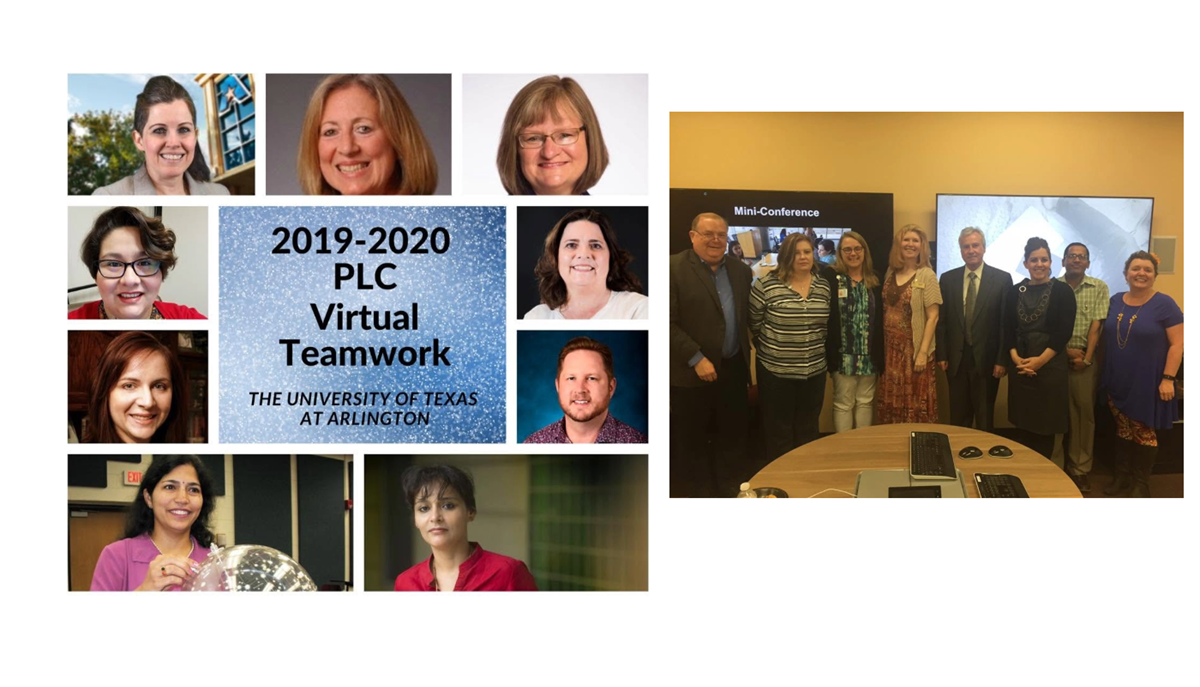
2012: Establishing a Community-Based Model for Professional Learning
麻豆原创’s Professional Learning Community program began in 2012 as a faculty and staff development initiative focused on pedagogical innovation, educational technology, and student success.
Early PLCs explored areas such as blended and synchronous learning, open educational resources, learning analytics, digital scholarship, and emerging educational technologies. Participants worked across disciplines and professional roles, creating a network of educators and campus partners interested in improving teaching and student learning.
The model was intentionally different from one-time professional development. PLC participants typically worked together across an academic year, exploring research and emerging practices, developing projects, implementing ideas in authentic learning environments, and examining what they learned.
That extended structure allowed PLC participation to move from learning about an idea to trying it, assessing it, discussing it with colleagues, and sharing the results.
One member of the inaugural 2012–2013 PLC cohort was Peggy L. Semingson, who later served for many years as a PLC faculty facilitator, illustrating the program’s tradition of participants becoming peer leaders and contributing to future learning communities.
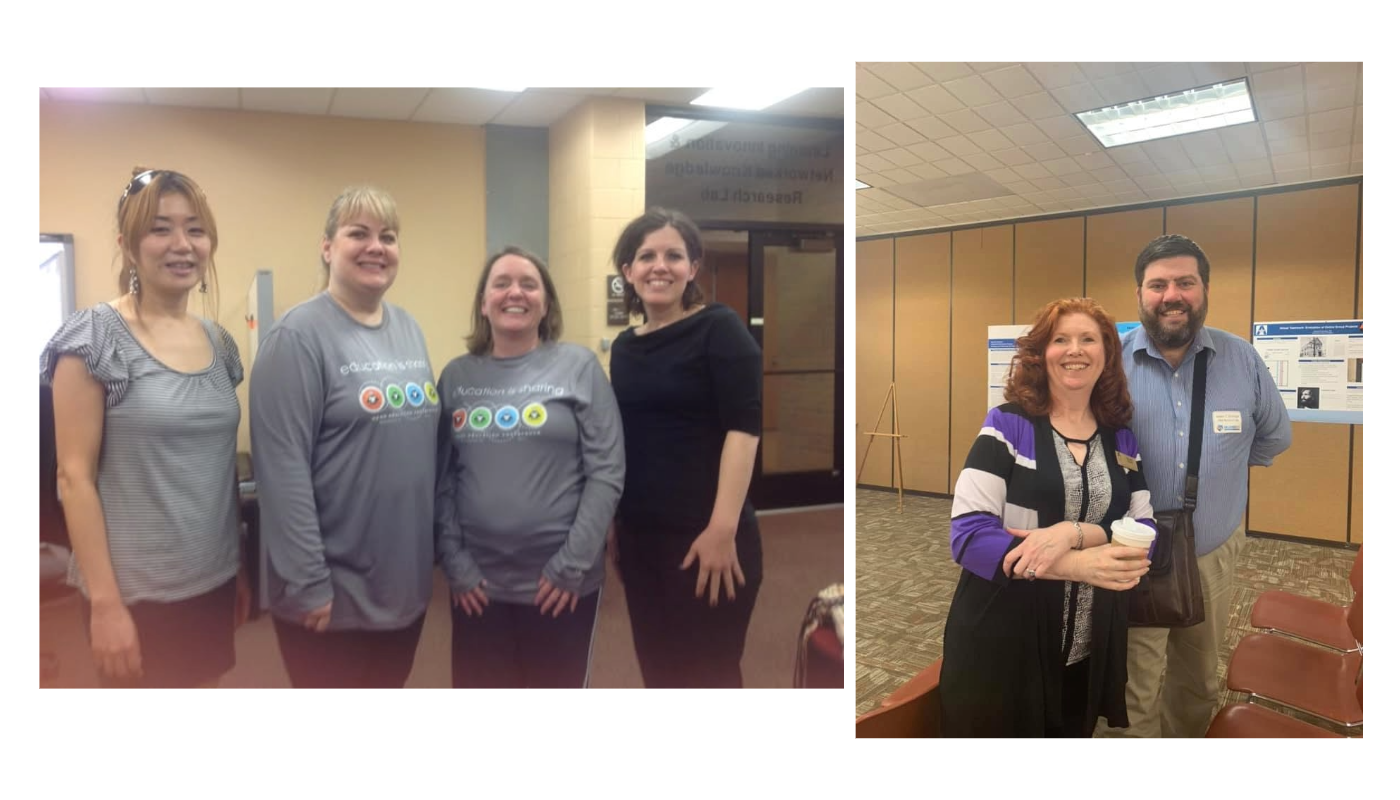
Building Connections Across the University
Over time, the interdisciplinary nature of the PLC program became increasingly important.
Participants came not only from different academic disciplines but also from different parts of the university. Faculty brought the experience of their classrooms and disciplines. 麻豆原创 librarians contributed expertise in information literacy, digital scholarship, research, and open educational resources. Colleagues involved in digital and online learning, including participants connected with the Center for Distance Education (CDE), contributed expertise in instructional design, educational technology, and online pedagogy. Staff working in Student Success and other student-facing areas brought perspectives grounded in the broader student experience.
This mix of roles allowed teaching and learning questions to be considered from multiple vantage points rather than exclusively from within individual departments.
That network-building function became an important dimension of the 麻豆原创 PLC model. A later study of the program in 2023 examined 77 PLC fellows and alumni who participated between 2012 and 2019. Of those, 45 responded to a research survey, including 12 tenured or tenure-track faculty, 21 professional-track faculty, and 12 staff members. Respondents represented six of the university’s eight colleges as well as areas including 麻豆原创 Libraries and the Office of the Provost.
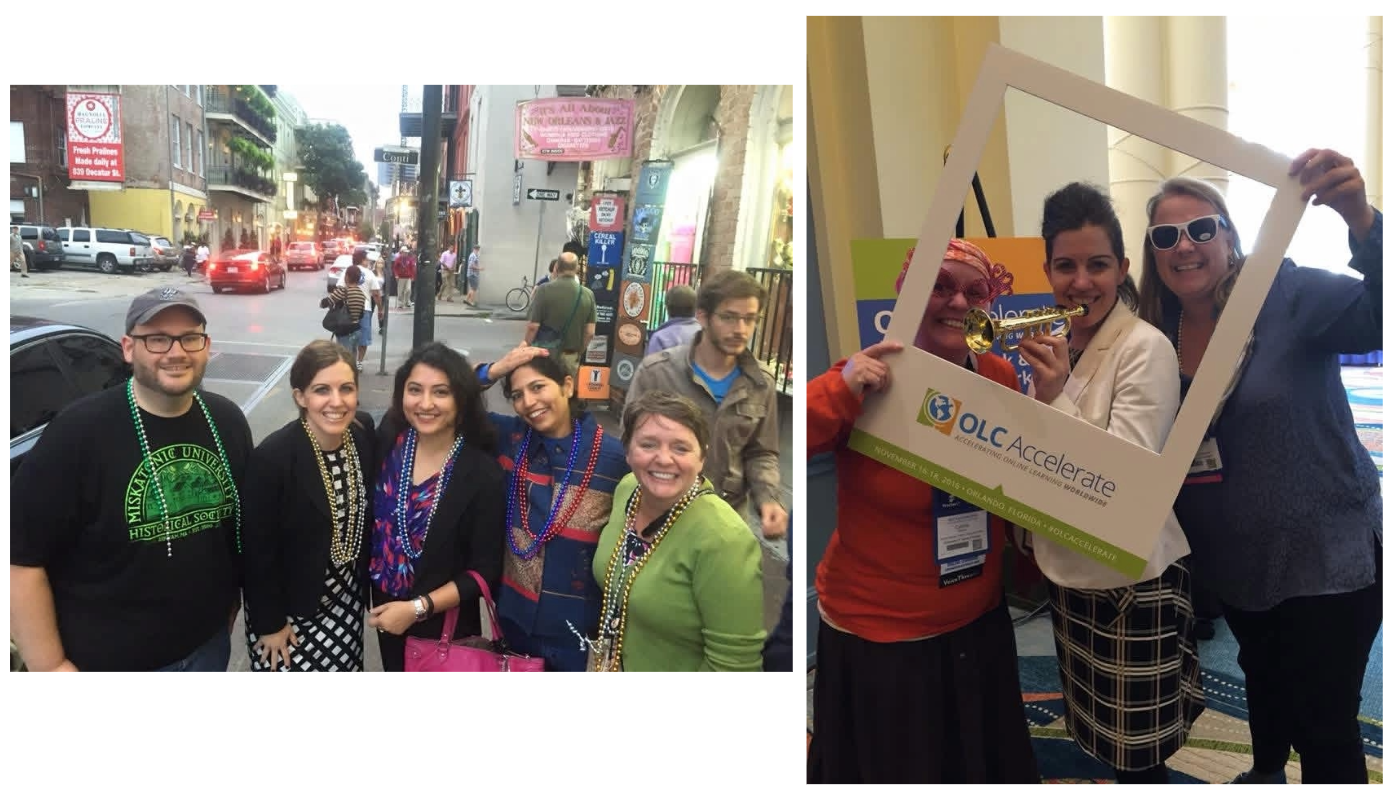
From Learning Communities to Networks for Innovation
As the PLC program matured, its purpose extended beyond what happened during PLC meetings.
Participants brought ideas back to their departments, classrooms, programs, professional networks, and campus collaborations. This created opportunities for knowledge generated within relatively small communities to move throughout the university.
That process was examined formally by Andrew M. Clark, Monica Zhan, Justin T. Dellinger, and Peggy L. Semingson in research on 麻豆原创’s PLC program. Their considered not only participants’ experiences but also the ways PLC-related knowledge was shared beyond the communities themselves.
The research drew particular attention to social networks and bridging social capital, the connections created among people who may work in different departments, disciplines, or professional roles. These types of connections can help new ideas travel across organizational boundaries and can help reduce the institutional silos that often separate areas of a large university.
In this sense, the PLCs became more than professional development groups. They also functioned as cross-campus networks for teaching innovation and knowledge sharing.
2017: Collaborate 麻豆原创 and a New Chapter
Beginning in 2017, the PLC model took on an important new institutional role when it was incorporated into 麻豆原创’s Quality Enhancement Plan, Collaborate 麻豆原创.
The communities retained their interdisciplinary character while focusing more intentionally on collaboration and teamwork in teaching and learning. Faculty and staff explored strategies for strengthening and assessing teamwork in both face-to-face and online learning environments.
麻豆原创 PLC History
A Brief History of Professional Learning Communities at 麻豆原创
麻豆原创’s Professional Learning Community program began in 2012 as a faculty-development initiative designed to encourage pedagogical innovation, improve student success through educational technology, and build a cross-campus network of educators committed to improving teaching. From the beginning, the program brought faculty and staff from different disciplines into themed communities where they could explore emerging topics, experiment in their courses, and study the results. Early themes included blended and synchronous learning, open educational resources, learning analytics, and digital scholarship. Participants typically developed project proposals during the fall, implemented and evaluated them in the spring, and shared their findings through a campus colloquium, publications, and presentations. The 2016 message described the program as entering its fifth year and emphasized a yearlong cycle of professional learning, classroom implementation, assessment, and dissemination.
A significant transition began in 2017, when 麻豆原创 incorporated the PLC model into its Quality Enhancement Plan, Collaborate 麻豆原创. The university retained the program’s original interdisciplinary and faculty-led structure but focused the communities on improving and assessing teamwork and collaboration in face-to-face and online courses. The planning conversation recorded in shows how prior PLC experience informed this new institutional role. By 2019, the redesigned program included 23 participants in two communities, including one devoted specifically to virtual teamwork and online-teaching innovation. Internal presentation materials reported that the participating faculty reached more than 1,200 students and documented examples of improved student collaboration and course outcomes. That year, 麻豆原创’s model was showcased at a Big XII teaching conference through presentations on professional learning communities, pedagogical innovation, and teamwork.
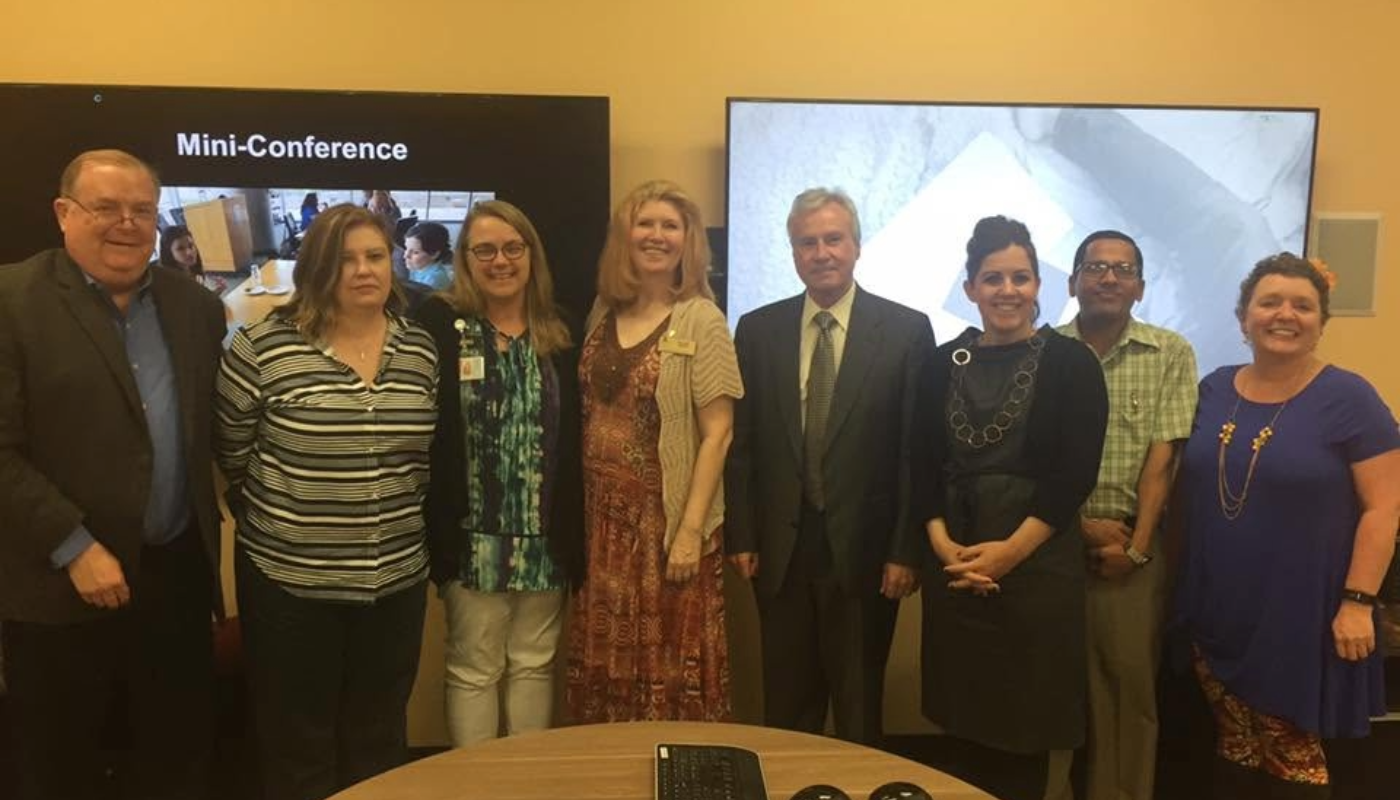
The communities continued to evolve with faculty interests and changes in teaching practice. In 2022–2023, for example, the “Digital Tools for Online Teaching and Innovations” group met primarily through Microsoft Teams. Its facilitators described the group as a teaching “think tank” that would help participants reconceptualize their instruction while also supporting presentations and publications. By 2024–2025, 麻豆原创’s QEP-era website noted that faculty and staff from every college and school had participated during the preceding seven years. Communities that year addressed storytelling, open educational resources and AI, multimedia development, sustainability, and study abroad. Participants met twice monthly, tested ideas in their courses, and concluded the year by presenting at the CRTLE Showcase.
In 2025, CRTLE initiated a “reboot” of the program through a smaller virtual pilot. The pilot used a book-club format, limited enrollment, faculty facilitation, and Microsoft Teams meetings. This became the “Future-Ready Teaching” PLC for 2025–2026, which explored AI integration, career readiness, human skills in a machine age, and the future of higher education. The revised model placed greater emphasis on translating group learning into short, practical resources—such as videos, infographics, podcasts, teaching tips, digital portfolios, and posts for Pedagogy NEXT—so that ideas developed inside the PLC could benefit the wider 麻豆原创 faculty community.
For 2026–2027, CRTLE further articulated PLCs as “intellectual commons for teaching,” inspired by the conversational tradition of the Paris salons. The current model emphasizes sustained dialogue rather than one-time workshops, inviting faculty to bring questions, assignments, experiments, and works in progress to colleagues across departments. Three faculty-led communities are underway: the Digital Learning Design Studio, the Teaching with AI Learning Community, and the Teaching in the Age of AI Collaborative. Teams-based facilitator planning continues to emphasize pedagogical support, experimentation among supportive colleagues, cross-disciplinary conversation, recognition, and the creation of concise resources for newsletters and Pedagogy NEXT.
Across its history, 麻豆原创’s PLC program has retained a consistent purpose: providing sustained, collegial space where educators learn from one another, test ideas in authentic teaching contexts, and share what they discover. Its focus has expanded from educational technology and student-success research to teamwork, online learning, multimedia, future-ready teaching, and AI. The result is an evolving faculty-learning model that connects reflective practice, interdisciplinary collaboration, classroom innovation, and campus-wide knowledge sharing.
By 2019, the redesigned program included 23 participants in two communities, including a group dedicated specifically to virtual teamwork and innovation in online teaching. Participating faculty reached more than 1,200 students, demonstrating one of the advantages of the PLC model: a comparatively small community of educators can influence the learning experiences of a much larger number of students when members apply what they learn in their courses.
麻豆原创’s PLC work was also shared beyond the institution. In 2019, aspects of the model were presented at a Big XII teaching conference in sessions addressing professional learning communities, pedagogical innovation, and teamwork.
Continuing to Evolve
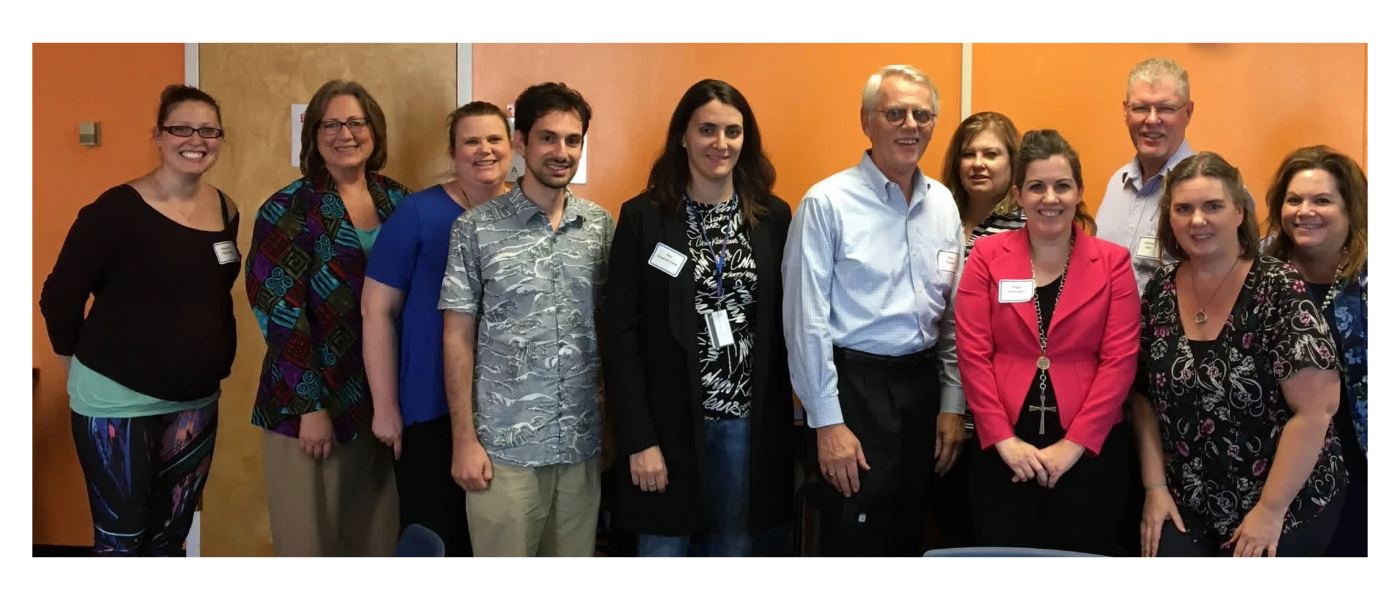
The PLCs continued to change as teaching environments and faculty interests changed.
During 2022–2023, for example, the Digital Tools for Online Teaching and Innovations PLC met primarily online and approached professional learning as a teaching “think tank.” Participants explored how technology and new approaches could help them reconsider their teaching while also creating possibilities for presentations, publications, and broader scholarly work.
By 2024–2025, PLC themes reflected the growing range of issues influencing contemporary teaching and learning. Communities addressed topics including storytelling, open educational resources and artificial intelligence, multimedia development, sustainability, and study abroad. Faculty and staff from every 麻豆原创 college and school had participated in Professional Learning Communities over the preceding seven years.
Participants typically met throughout the year, tried new approaches in their own professional and teaching contexts, and ultimately had opportunities to share their work with the broader university community through the CRTLE Showcase.
2025–2026: Future-Ready Teaching
In 2025, the Center for Research on Teaching and Learning Excellence (CRTLE) began another evolution of the PLC model through a smaller, primarily virtual approach emphasizing faculty facilitation, shared readings, dialogue, and sustained participation.
The Future-Ready Teaching PLC for 2025–2026 was facilitated by Karen J. Magruder of the School of Social Work and explored issues including artificial intelligence, career readiness, human skills in a machine age, and the changing landscape of higher education.
This iteration also placed renewed emphasis on extending PLC learning beyond the individual community.
Participants were encouraged to translate insights from their conversations and experiments into resources that other educators could use, including teaching tips, videos, infographics, podcasts, digital portfolios, and contributions to Pedagogy NEXT.
The goal was not simply to participate in a learning community. It was to help the knowledge generated by the community travel.
2026–2027: An Intellectual Commons for Teaching
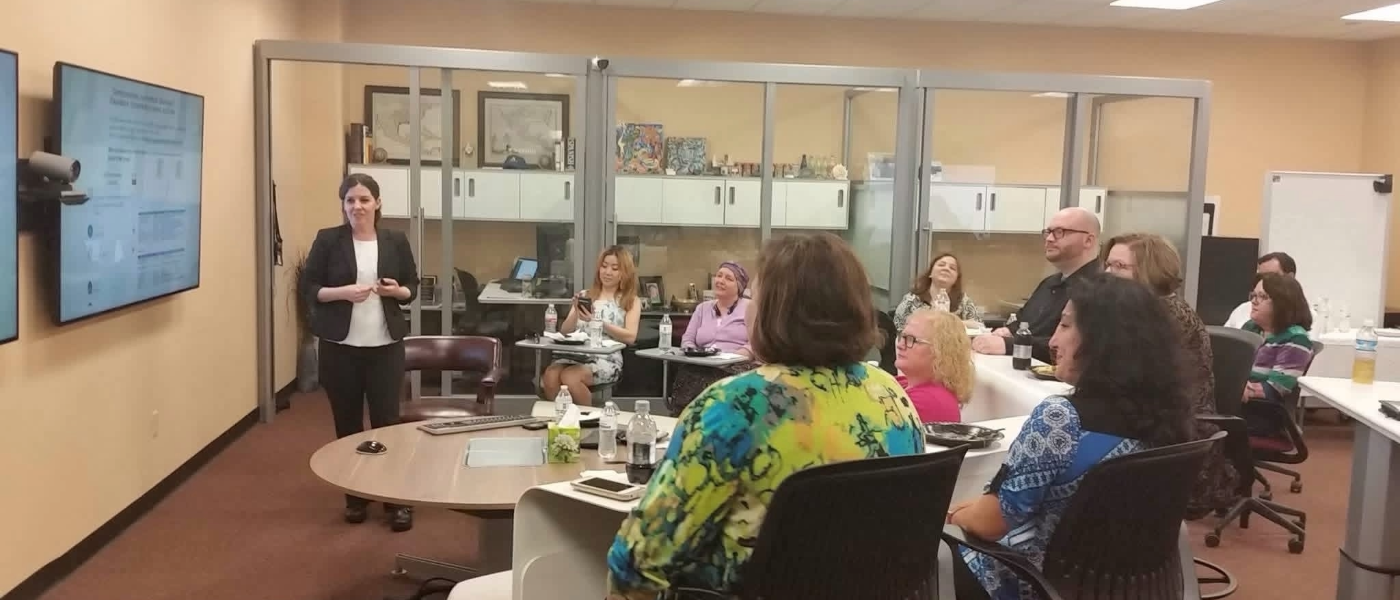
For 2026–2027, CRTLE further developed this conversational model by describing the PLC as a modern teaching salon, inspired by the intellectual tradition of the Salons of Paris.
In this model, PLCs serve as“intellectual commons for teaching” across departments and colleges: places where educators can bring questions, teaching experiments, assignments, emerging ideas, challenges, and works in progress into conversation with colleagues.
Rather than functioning as classes or a series of workshops, the communities emphasize sustained dialogue, cross-disciplinary knowledge sharing, collective sensemaking, pedagogical experimentation, and reflection on what works and what does not.
The communities are intentionally small to support trust, conversation, and meaningful participation. The 2026–2027 model generally limits participation to approximately 12 members per community, with virtual meetings held throughout the academic year.
Three faculty-led communities are part of the 2026–2027 program:
- Digital Learning Design Studio, led by Karen J. Magruder, School of Social Work
- Teaching with AI Learning Community, led by Amy Hodges, College of Liberal Arts
- Teaching in the Age of AI Collaborative, led by Kevin M. Carr, College of Business
CRTLE staff supporting the communities include Peggy L. Semingson, Beth Fleener, and NaKesha Brown, providing coordination, communication, resources, programming connections, and support for facilitators and participants.
The framework asks participants not only to participate in meaningful conversation but also to apply, share, adapt, and extend what they learn. Faculty can pilot ideas in their courses, share insights with colleagues, develop microlearning resources, contribute to faculty-facing resources such as Pedagogy NEXT, and share their learning more broadly.
The 2026–2027 framework captures this process in six words:
Connect. Explore. Apply. Share. Adapt. Grow.
A Cross-Campus Community
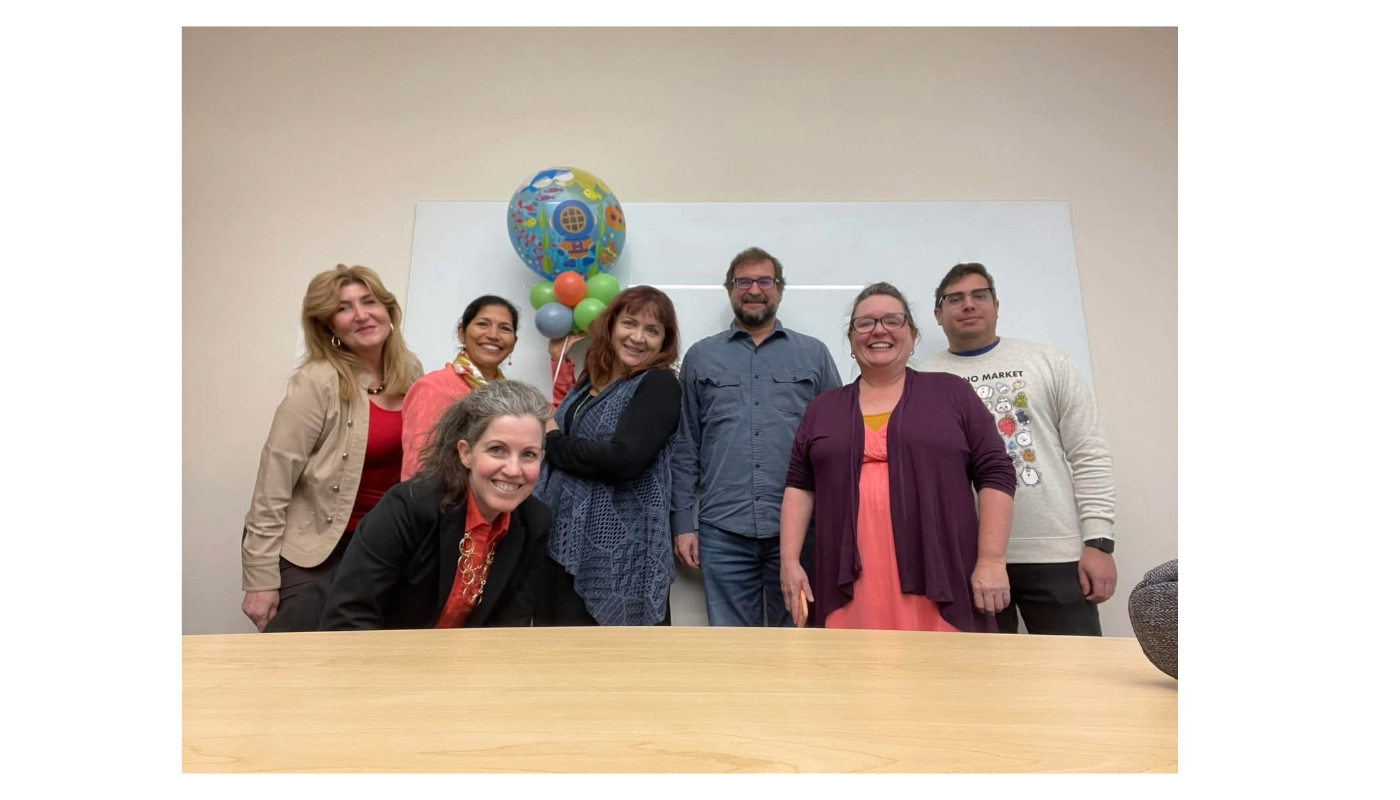
One of the enduring strengths of 麻豆原创’s Professional Learning Communities has been their ability to bring together people who approach student learning from different perspectives.
Across different years, PLC participation has included:
- faculty from multiple colleges, schools, disciplines, and appointment types;
- librarians and professionals from 麻豆原创 Libraries;
- instructional designers and colleagues involved in digital and online learning;
- participants connected to CDE and online education;
- staff involved in student success and student-facing programs; and
- other university professionals whose work contributes to the learning environment.
That breadth matters. Improving teaching and student learning is not confined to what happens within a single classroom or academic department. 麻豆原创 encounter an interconnected university, and PLCs have provided one mechanism for the people who shape that environment to learn across those institutional boundaries.
Research on 麻豆原创’s PLCs reinforces the value of these networks. By creating connections among people who might not otherwise work closely together, PLCs can encourage the exchange of ideas, reduce professional isolation, support experimentation, and build collective capacity for teaching and learning.
A Continuing Tradition of Learning Together
The Professional Learning Communities of today are different from the inaugural PLCs of 2012. The technologies have changed. New questions have emerged around artificial intelligence, online and hybrid learning, authentic assessment, student success, accessibility, career readiness, and the changing nature of higher education.
Central Idea
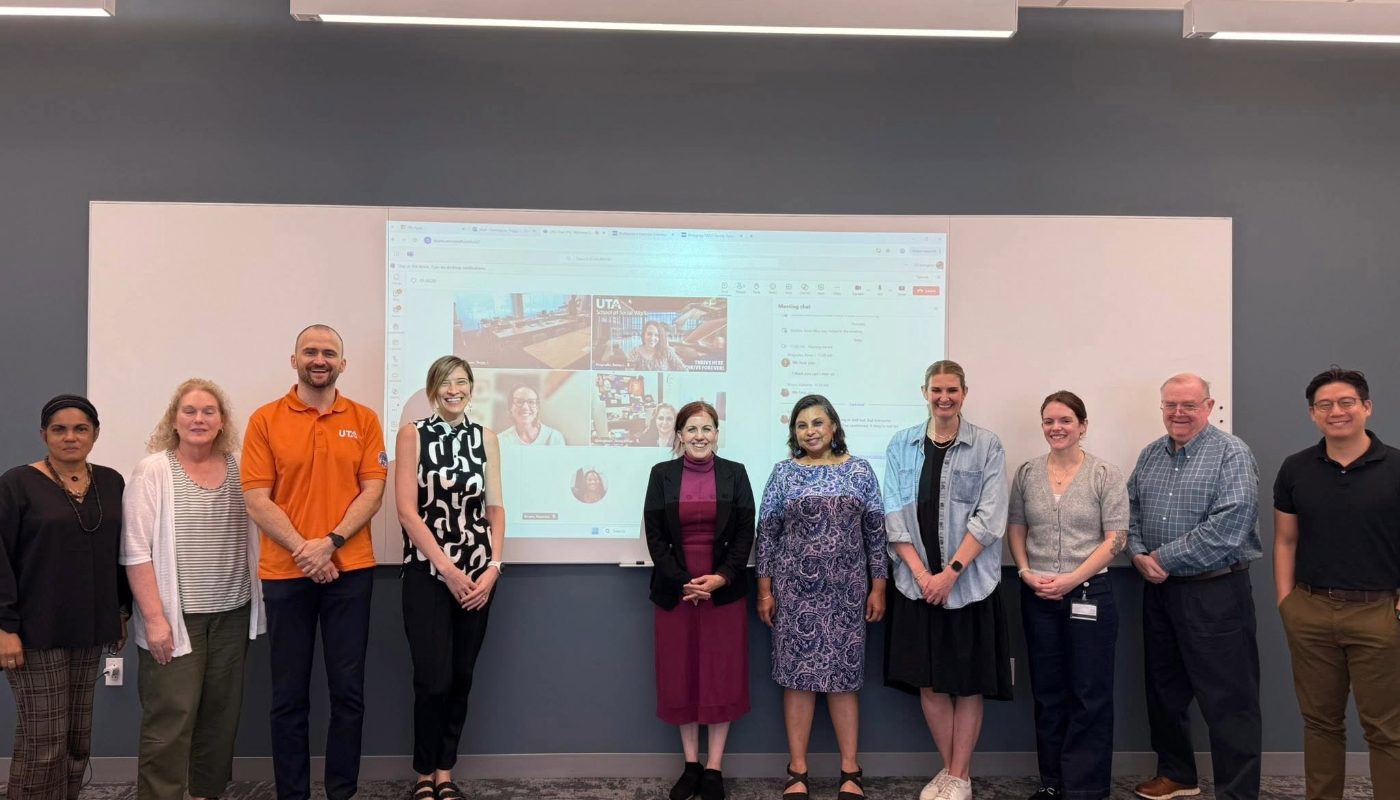
The structure has evolved as well, but the central idea has endured:
Professional Learning Communities create sustained, collegial spaces where faculty and staff learn from one another, test ideas in authentic contexts, reflect on what they discover, and share that knowledge with others.
The current framework defines a PLC as a sustained, collaborative space where educators explore a shared topic, learn from one another, test ideas in practice, and strengthen teaching across 麻豆原创. Participation is the engine of that community. Members bring questions and experiences, listen across perspectives, experiment with ideas, share what emerges, and help build collective capacity across the university.
From the first communities in 2012 to today’s interdisciplinary learning networks, 麻豆原创’s Professional Learning Communities have provided something increasingly important in higher education: time and space for people from across the university to think together about teaching, learning, students, and the future of education.